Expert spider control services for businesses and homes in Spider Control Kawartha Lakes
Expert spider control services for businesses and homes in Spider Control Kawartha Lakes
Blog Article
Spiders serve a helpful role by eating insects, but spider activity indoors can quickly become a nuisance. Webs around windows, egg sacs in storage areas, and recurring sightings often signal conditions that encourage a spider infestation. Professional Spider Control Kawartha Lakes services find the cause, deal with current spiders, and reduce the chance of repeat problems.
A thorough service begins with a property inspection. A pest control technician checks likely entry points, moisture, clutter, lighting, and insect prey. The findings guide a treatment plan for your building, whether you need residential pest control for a home or commercial pest control for a workplace.
Why Effective Professional Spider Control Matters
One spider does not always signal a serious concern. Repeated sightings each week, fresh spider webs, or groups of egg sacs demand further attention. Spiders may be getting in through small gaps, tracking insect prey, or hiding in quiet areas such as a basement, garage, crawl space, or storage room.
Do-it-yourself removal may handle visible spiders without addressing the conditions that support them. A professional service looks past the immediate sighting. The technician inspects the structure, checks for insect activity, and recommends a targeted treatment based on the species and location.
Expert pest control protects your property in several ways:
- It cuts down on webs on exterior walls, doors, windows, and public-facing areas.
- It helps protect stored products, equipment, finishes, and overall presentation.
- It locates entry points that allow spiders and insects to get inside.
- It addresses conditions such as moisture, clutter, and outdoor lighting.
- It sets up a plan for monitoring and future service.
Health concerns differ by species, and most spiders found around buildings are not dangerous. Still, a spider infestation can increase anxiety, disrupt work, and create problems for people who are sensitive to bites or deeply uncomfortable around spiders. A trained technician can explain the findings and recommend safe spider removal without guessing.
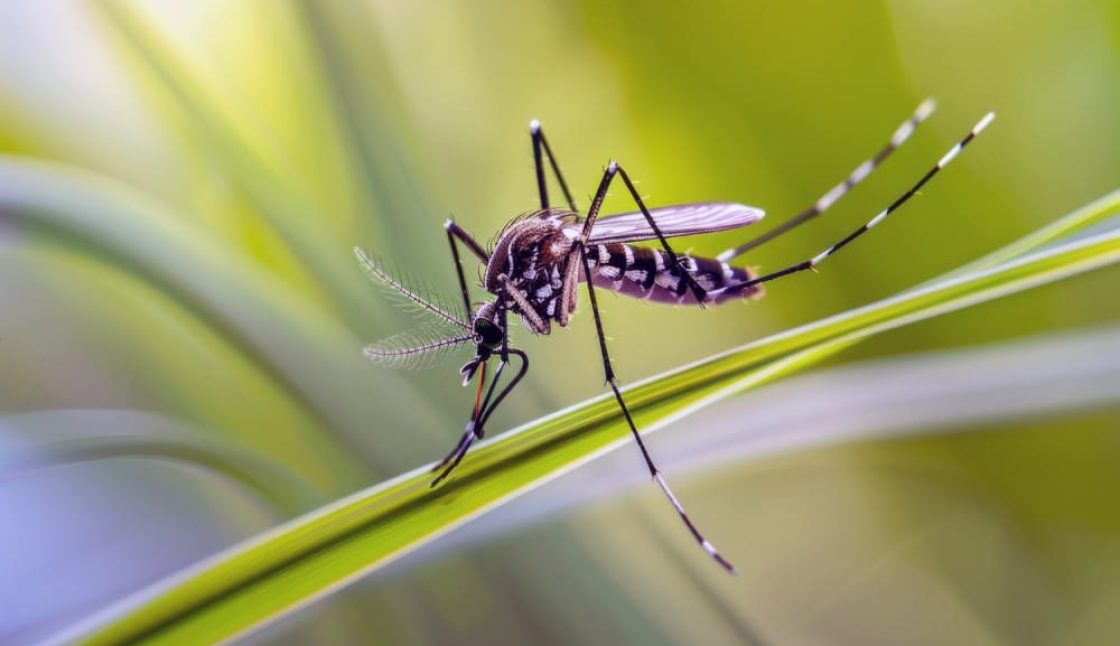
Typical Spider Species Seen in Kawartha Lakes Residential and Commercial Properties
Knowing the species helps establish where spiders stay, what they eat, and what treatment approach works best. Appearance alone may not confirm the species, so a technician may examine photographs, web patterns, harbourage areas, and spider behaviour.
Indoor house spiders often make irregular webs in corners, window frames, sheds, and quiet indoor spaces. They may continue in the same spot while they await trapped insects.
Wolf spiders usually hunt rather than capture prey in webs. They can enter through gaps beneath doors, around foundations, or near utility openings. Their size may make them seem more frightening than they are.
Cellar spiders have slender, lengthy legs and often inhabit basements, crawl spaces, storage rooms, and other areas with limited disturbance. Their messy webs can stretch over ceilings and corners.
Orb-weaver spiders build wide, rounded webs outside. You may spot them near porch lights, landscaping, fence lines, glass doors, or important source other areas where flying insects collect. Their webs can become a repeated annoyance around access points and customer spaces.
How to Identify a Spider Problem
Check for recurring signs instead of responding to one sighting. New spider webs that appear after cleaning, multiple spider sightings in the same area, and egg sacs fixed to corners or stored items can point to an active harbourage site. A spider nest may be hidden behind equipment, beneath shelving, inside a crawl space, or near a foundation gap.
Insect activity is one more useful clue. Spiders require food, so flies, moths, mosquitoes, and other insects may attract them. Moisture can raise insect activity and provide favourable shelter. Clutter gives spiders more places to hide and makes inspection more difficult.
Note where you see spiders, how often they appear, and whether you notice more activity after dark. Photos may help identify the species. Avoid handling an unknown spider. If sightings keep occurring after cleaning and basic repairs, book a property inspection.

Spider Control for Residential Properties
Household pest control must match the way your household uses each room. A technician may assess homes, basements, garages, attics, crawl spaces, storage areas, and exterior walls. The focus is not only on clearing away visible spiders. It is also on limiting access and reducing the insects that draw in them.
Basements often need service because they may have moisture, foundation gaps, stored boxes, and limited airflow. Garages can collect clutter and provide direct access through doors. The technician may look around pipes, vents, windows, utility lines, and the foundation for openings.
A residential spider control visit may involve:
- Inspecting indoor and outdoor harbourage areas.
- Removing accessible spider webs and egg sacs.
- Reviewing doors, windows, vents, and foundation gaps.
- Recommending caulking, storage changes, or moisture control.
- Using a targeted treatment only where it is needed.
- Providing treatment instructions for household members.
Spider removal is more effective when you fix conditions that support repeat activity. Keep firewood and stored materials away from exterior walls where practical. Limit clutter in basements and garages. Fix damaged screens and keep doors closed. These simple steps strengthen exclusion methods used by a professional.
Professional Spider Control for Commercial Properties
Commercial pest control needs a separate approach because businesses must protect customer spaces, staff spaces, stock, equipment, and operating schedules. A spider in a storage room may be a minor concern, while webs around an entrance, dining area, display window, or reception space can reduce customer confidence.
Commercial buildings often have more doors, loading areas, service penetrations, exterior lights, roof lines, and mechanical spaces than homes. These features can create various access routes. A technician may inspect the building perimeter, waste areas, landscaping, lighting, storage practices, and interior maintenance conditions.
Workplace safety also guides the service. Treatment areas may need to be scheduled outside operating hours. Staff should know which rooms require short-term restricted access. Food handling, sensitive equipment, and ventilation requirements must be considered before any product is applied.
A commercial treatment plan may include scheduled inspections, web removal, targeted applications, documentation, and follow-up service. The goal is to reduce pest activity while causing as little disruption as possible. Commercial building managers should also assign responsibility for sealing gaps, managing clutter, repairing screens, and reporting recurring sightings.
Mosquito Man is one factual example of a business name associated with pest control services. Any company you consider should describe its inspection findings, treatment scope, safety directions, and follow-up process clearly.
What Professional Spider Control Services Include
A trusted service uses a clear inspection-to-follow-up process. The first stage is a property inspection. The pest control technician checks where spiders appear, checks webs and egg sacs, and looks for moisture, clutter, insect prey, and structural gaps.
Species identification follows. The technician considers the spider’s shape, colour, web style, location, and activity. Correct identification helps tell apart a web-building species from a hunting species and helps determine whether the main problem is indoors, outdoors, or both.
The technician then recommends a targeted treatment. This may include physical spider removal, web removal, crack and crevice treatment, or an exterior perimeter treatment. A perimeter spray may be applied around selected exterior areas to create a treated zone near likely entry points. The treatment should match the building, the level of activity, and the product label.
Integrated pest management combines inspection, sanitation, exclusion methods, monitoring, and carefully selected treatment. It does not depend on repeated broad applications alone. The technician may recommend reducing moisture, changing outdoor lighting, improving storage, or sealing gaps before returning for follow-up service.
Follow-up service checks whether activity has declined and whether new access points or insect sources need attention. Some properties require a single visit. Others benefit from scheduled monitoring, especially where exterior lighting, landscaping, storage, or building design creates ongoing spider pressure.
Spider Removal and Treatment Methods
Web removal clears visible webs from eaves, window frames, signs, ceilings, and corners. Removing webs also helps reveal new activity during later inspections.
Crack and gap treatment focuses on narrow spaces where spiders hide. These may include gaps around trim, service lines, shelving, foundations, and door frames. The technician selects application points carefully rather than treating every surface.
Exterior perimeter treatment covers likely travel routes around the foundation, doors, windows, and other entry points. It is most effective when paired with maintenance that close off entry points.
Some situations need direct spider removal, while others need control of the insects that maintains the population. A professional may recommend an combined pest management approach that joins both actions with cleanup, fixes, and monitoring.
Steps to Prevent Spiders from Getting Into Your Property
Prevention starts at the building envelope. Inspect the property during daylight and inspect where walls meet foundations, windows, doors, vents, and utility lines. Look for visible gaps, damaged seals, and openings big enough for insects to enter.
- Use caulking to close suitable gaps around frames, joints, and service openings.
- Install or repair door sweeps so the gap beneath exterior doors is blocked.
- Keep window screens snugly fitted and repair holes quickly.
- Reduce clutter in basements, garages, sheds, and storage rooms.
- Address leaks and excess moisture around foundations and plumbing.
- Move outdoor lights away from doors where possible, or choose lighting that attracts fewer insects.
- Remove webs often from exterior walls, soffits, signs, and entrances.
- Keep vegetation and stored materials from resting against the building.
Outdoor lighting can bring moths and other insects toward entrances. That insect activity may attract spiders. Improved light positioning can reduce this food source, although lighting changes alone will not solve an established spider infestation.
Preventive treatment may help properties with recurring sightings. Ask the provider how the treatment supports sealing gaps, cleaning, moisture control, and monitoring. A spray without these supporting steps may provide only brief relief.
Are Professional Spider Control Treatments Safe?
Qualified control work can be used safely when the product, application process, and conditions at the property are right. Before work begins, tell the provider about children and pets, residents with sensitivities, aquariums, food areas, and any other specific concerns.
Ask which areas will be treated, how long people must stay away, and whether ventilation or cleaning is required. Read and follow the written treatment instructions. Do not touch wet product, remove safety barriers early, or allow children and pets into treated areas.
Reduced-risk products may be suitable in some situations, but “low risk” does not mean risk-free. Safety depends on the product label, dose, location, exposure, and safe application. A qualified provider should explain these details in plain language.
Keep food, dishes, toys, pet bowls, and personal items as directed. Keep children and pets away from equipment and treated surfaces until the technician confirms that re-entry is allowed. If you have questions after service, contact the provider before cleaning or changing the treated area.
When You Should Call a Spider Control Professional
Call a professional when you notice repeated infestations, large spider populations, or activity in hard-to-reach areas. Professional help also makes sense when spiders return after cleaning, when webs appear in several parts of the building, or when you cannot identify the source.
A quick response matters for businesses with spiders in customer areas or workplaces where staff need clear safety guidance. It also helps households that find egg sacs, see spiders entering from multiple locations, or have difficulty accessing crawl spaces, roof lines, and high ceilings.
Before booking, ask what the inspection includes, whether species identification is part of the visit, which treatment areas are covered, and whether follow-up service is available. Get clear information about preparation, re-entry, and any repair work you should complete.
Avoid relying on a single product recommendation before completing an inspection. The right solution may involve web removal, entry-point sealing, moisture reduction, insect management, or a focused treatment. A clear treatment plan should explain why each step is needed.
Common Questions About Spider Control
What spiders do people commonly find in Kawartha Lakes homes?
Typical examples are house spiders, wolf spiders, cellar spiders, and orb-weaver spiders. House and cellar spiders often create webs indoors, while wolf spiders usually hunt across floors or get inside through openings. Orb-weaver spiders commonly build large outdoor webs near lights, windows, and vegetation. A technician can identify the species during a property inspection.
Are spiders in Kawartha Lakes dangerous?
Most spiders found around homes and businesses are not dangerous to people. They may still make people uneasy, create webs, or indicate insect activity and building access points. Do not handle unknown spiders. If you are concerned about a bite or an unusual species, seek medical advice and request professional identification.
How can I prevent spiders from entering my home?
Seal gaps with suitable caulking, install door sweeps, repair window screens, reduce clutter, control moisture, and limit insect activity around outdoor lights. Check joints in the foundation, vents, windows, and utility openings for entry points. Regular web removal and good storage practices also reduce hiding places.
When is it time to contact a spider control professional?
Call when you see spiders returning repeatedly, several webs, egg sacs, a large population, or spiders in hard-to-reach areas. Professional assistance is also useful when DIY cleaning fails to resolve the issue or when a business needs a rapid response in customer areas and workspaces.
How does spider control service in Kawartha Lakes work?
The service usually begins with a property inspection and species identification. The provider then checks insect prey, moisture, clutter, and entry points before recommending focused treatment. Possible work includes spider removal, web removal, crack and crevice treatment, exterior perimeter treatment, prevention advice, and follow-up service.
What is the cost of spider removal cost in Kawartha Lakes?
The spider removal cost varies with property size, infestation level, species, access, treatment areas, and whether follow-up visits are needed. A small residential visit may require fewer tasks than a commercial building with multiple entrances and customer areas. Ask for a written estimate after the inspection so you understand what the price includes.
Are spider control treatments safe for children and pets?
Treatments can be safe for children and pets when the provider selects an appropriate product and follows label directions. Inform the technician about children and pets before service. Follow all treatment instructions, including re-entry times, ventilation guidance, and restrictions around wet or treated surfaces.
How quickly can a local spider control company respond?
Response time depends on scheduling, property type, service area, and current demand. Find out when the inspection can occur and whether urgent commercial visits are available. A provider should also explain what you can do before the appointment, such as avoiding disturbance of webs and recording the locations of recurring sightings.
Report this page